The soul of a granite city
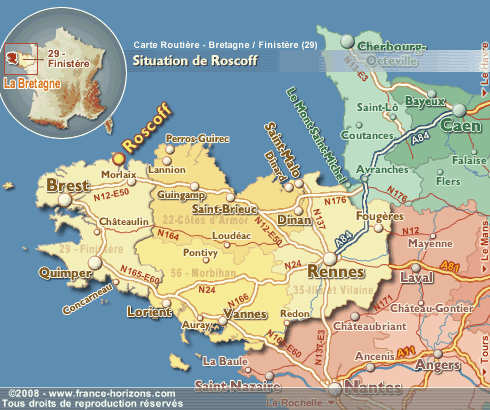
Nestled on a peninsula along the coast of Léon, Roscoff (or Rosko in breton) is much more than just a seaside resort
Marked by a strong character of its inhabitants and the omnipresence of the sea, this « Petite Cité de Caractère » and "Corsair city" has survived the centuries while retaining its sculpted granite architecture and it unique atmosphere, between land and sea spray.
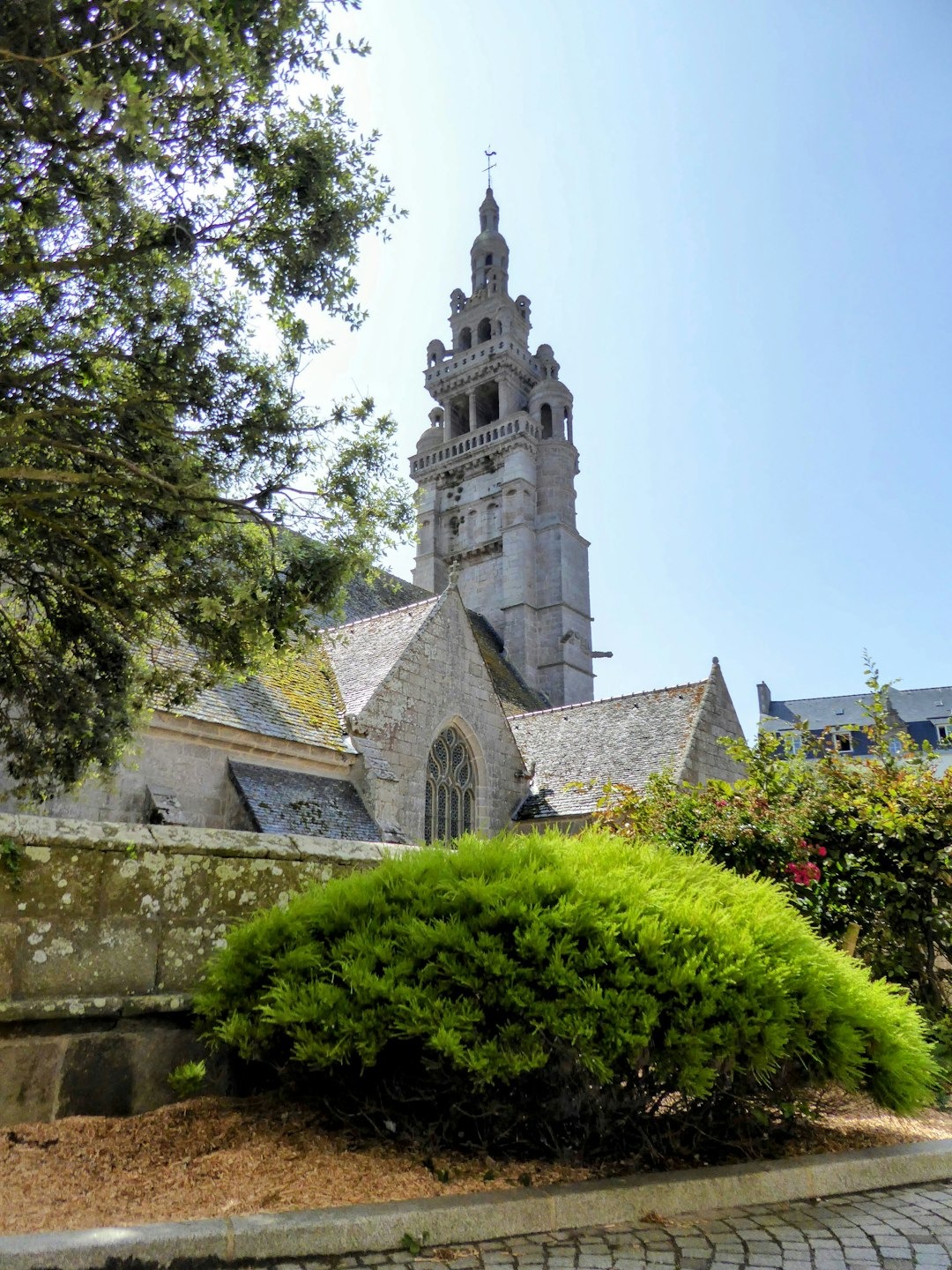
Creation : From the shadow of Saint-Pol to independence
Originally, Roscoff was only the outer port of the episcopal city of Saint-Pol-de-Léon. It's only in the 14th century that the port of Roscoff began to gain importance, particularly thanks to its strategic position in the Channel.
The city truly emancipated itself in the 16th century. The growth of maritime trade allowed wealthy shipowners to build these famous skylight houses that we still admire today.
In 1790, during the Revolution, Roscoff officially became an independent commune, marking the end of the religious supervision of its neighbor.
The Maritime Past : The Golden Age of Commerce
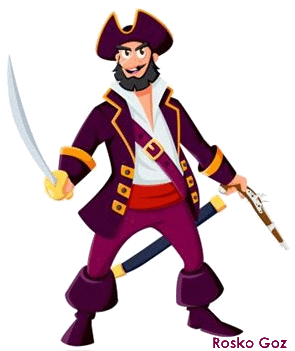
Roscoff's past is intrinsically linked to the richness of its exchanges. From the 15th century, Roscovites ships crisscrossed the seas to export salt, wine, but also local agricultural products. The fiercest Corsairs (privateers) were also present in Roscoff.
The famous Roscovites Corsairs :
Jean-Augustin Sioc’han de Kersabiec
Les Sioc’han de Saint-Jouan
Captain Baliga
Other captains under the command of Charles Cornic-Duchesne
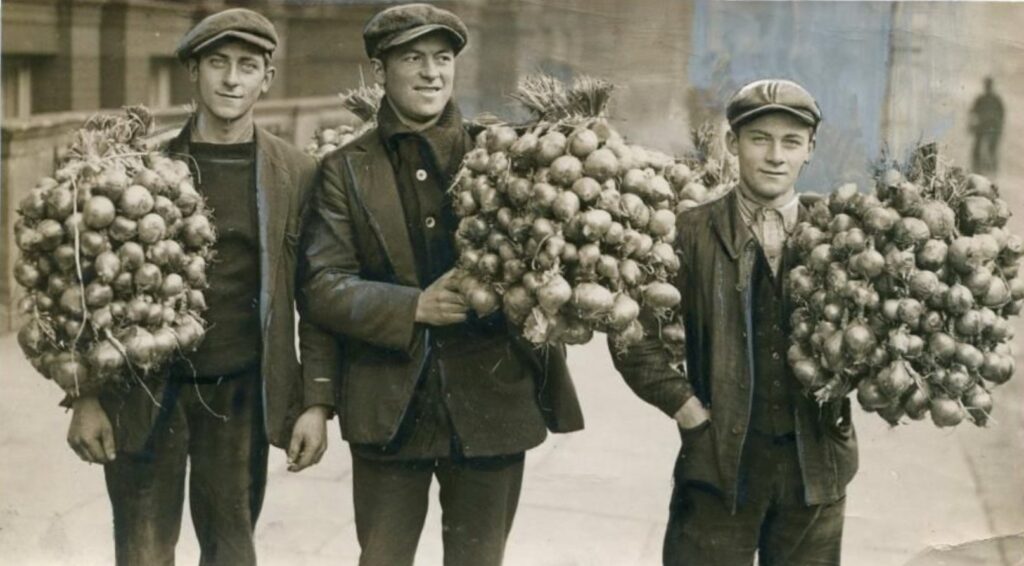
C’est ici qu’est née l’épopée des Johnnies, ces marchands d’oignons qui, dès le XIXe siècle, partaient chaque année vendre leur célèbre « Oignon de Roscoff » (AOP) en Angleterre, traversant la Manche avec leurs tresses dorées sur leurs bicyclettes. Ce commerce a tissé des liens indéfectibles entre la Bretagne et nos voisins britanniques.